As a licensed professional counselor, I’ve seen firsthand how integrated care can change the course of someone’s treatment. I do not mean that in a vague, feel-good way. I mean I have watched people make faster, steadier progress when their therapist, medication provider, and other care professionals are working in sync instead of operating in separate silos. In my experience, that coordination reduces confusion, prevents missed details, and helps clients feel like they are being treated as a whole person rather than a collection of disconnected symptoms.
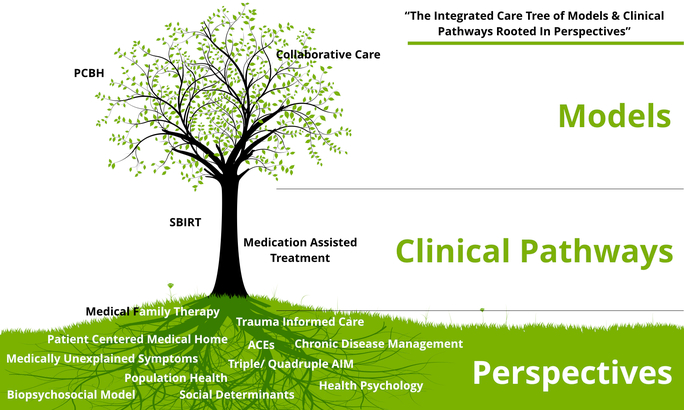
One of the clearest examples I remember was a client who came to counseling for anxiety but also had chronic sleep problems and stress-related physical symptoms. Before entering a more coordinated care setting, she had been trying to piece things together on her own. Her primary care appointments focused on fatigue, therapy focused on panic, and medication visits addressed mood, but no one was connecting the dots. Once her care became more integrated, those patterns became easier to spot. Her treatment stopped feeling like three separate conversations and started becoming one plan. That shift alone lowered her frustration.
That is the practical value of integrated care. People often assume better treatment always means more treatment, but I do not think that is true. Many times, it means better communication between the people already involved. I’ve worked with clients who spent months repeating the same history to different providers, only to get advice that did not line up. That repetition wears people down. It can also create gaps that lead to poor decisions, especially if one provider is unaware of medication changes, worsening symptoms, or major stressors at home.
I remember a man who came in after a difficult stretch of depression. He was attending therapy consistently, but his prescribing visits felt separate from the emotional realities he was describing in session. He would leave one appointment with one understanding of his progress and leave the next with a completely different impression. Once his providers started sharing information more effectively, the treatment became much more grounded. We were no longer guessing from partial pieces. He did not improve because someone suddenly discovered a miracle solution. He improved because his care finally made sense.
I am strongly in favor of integrated care for another reason: it helps catch common mistakes early. One of the biggest mistakes I see in fragmented treatment is assuming a new symptom belongs entirely to one category. A person may think they are “failing therapy” when in fact their medication needs adjusting. Someone else may assume their problem is purely medical when stress and unresolved trauma are driving much of what they are feeling physically. Integrated care makes it easier to question those assumptions before they harden into the wrong plan.
I’ve also found that clients trust the process more when their providers are aligned. They are less likely to feel dismissed, less likely to get mixed messages, and more likely to stay engaged long enough to see meaningful results. From where I sit, that matters just as much as credentials or treatment models.
Good care should feel connected. It should reflect how real people live, with mental, emotional, and physical health constantly affecting one another. That is why integrated care is not just a nicer idea. It is often the more effective one.